
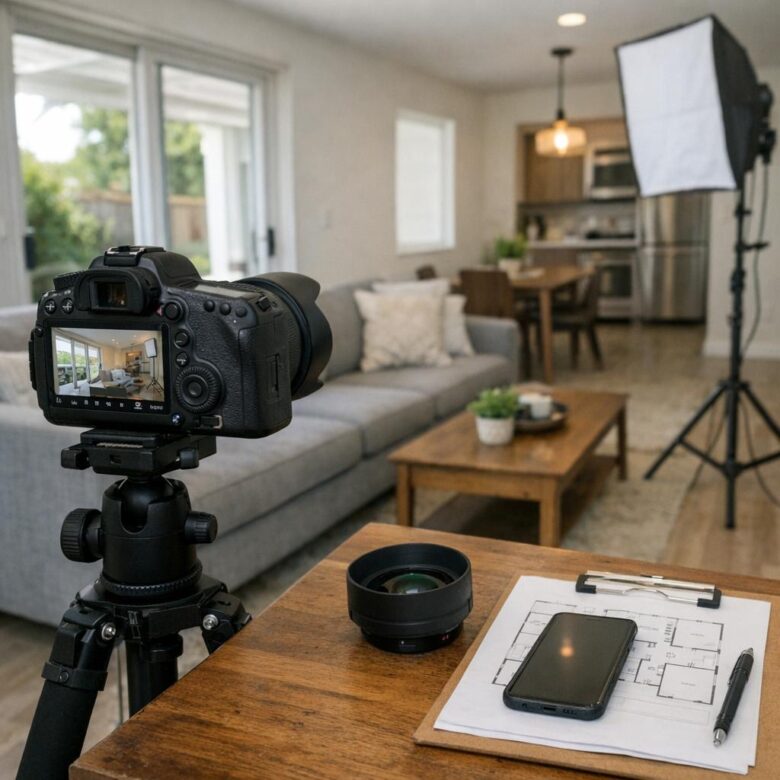
What if your listing is losing buyers before they ever read the description?
In real estate, photos are often the first showing. Strong images can make a property feel brighter, larger, cleaner, and more desirable within seconds.
Better real estate photography does more than make a home look attractive-it builds trust, increases clicks, and helps buyers imagine themselves living there.
This guide explains how professional-quality images help listings stand out, what makes a property photo effective, and how to avoid the mistakes that quietly push buyers away.
Why High-Quality Real Estate Photography Drives More Listing Views and Buyer Interest
High-quality real estate photography directly affects how buyers behave online. On platforms like Zillow, Realtor.com, Redfin, and local MLS systems, the first image often decides whether someone clicks, saves, or scrolls past the property.
Clear, well-lit listing photos help buyers understand the home faster. They can see room size, natural light, flooring, kitchen finishes, outdoor space, and overall condition without guessing. That reduces friction and makes the property feel more trustworthy before a showing is even booked.
In real-world listing work, a bright front exterior photo and a strong kitchen image usually perform better than a dark living room or a poorly angled bedroom shot. For example, a renovated condo with quartz countertops and stainless steel appliances should lead with those upgrades, not a hallway or cluttered entryway.
Professional photos also support stronger real estate marketing across paid ads, social media, email campaigns, and virtual tour services. Tools like Adobe Lightroom can improve exposure, color balance, and vertical lines, while 3D platforms such as Matterport help serious buyers explore the layout remotely.
- Use a wide-angle lens carefully to show space without distorting rooms.
- Shoot during daylight when possible for cleaner, more natural images.
- Highlight value-adding features such as pools, home offices, garages, and updated kitchens.
Better images do not just make a listing look polished. They help buyers emotionally connect with the property, increase showing requests, and give agents stronger marketing assets that can justify the cost of professional real estate photography services.
How to Capture Listing Photos That Highlight Space, Light, Layout, and Key Selling Features
Start every shoot by making the room feel open, not just clean. Remove small rugs, excess chairs, countertop clutter, and anything that interrupts sightlines; even a narrow hallway can look more spacious when doorways are open and floors are visible.
Use natural light whenever possible, but control it instead of trusting it. Open blinds, turn off mixed-color bulbs, and shoot with a tripod so you can use slower shutter speeds without blurry images; tools like Adobe Lightroom help correct exposure, vertical lines, and color temperature without making the home look fake.
- Space: Shoot from corners or doorways at chest height to show depth without distorting the room.
- Light: Schedule interiors when sunlight is soft, often late morning or early afternoon.
- Layout: Capture transitions between rooms so buyers understand flow, not just individual spaces.
A real-world example: in a small condo kitchen, one strong wide shot from the dining area can show the kitchen island, storage, appliances, and living space connection in a single frame. That image is often more valuable for real estate marketing than three tight photos of cabinets.
Highlight key selling features with intention. If the home has energy-efficient windows, premium flooring, smart home devices, a renovated bathroom, or outdoor living space, photograph each feature in context so buyers see both the upgrade and its practical benefit.
Avoid ultra-wide angles that make rooms look misleading; buyers notice the difference during showings. Honest, well-composed listing photography builds trust, improves online engagement, and supports better results from real estate advertising services and property listing platforms.
Common Real Estate Photography Mistakes That Make Listings Look Less Valuable
One of the biggest mistakes in real estate photography is shooting rooms too dark or too bright. Harsh window glare, yellow indoor lighting, and heavy shadows can make a clean home look dated, even when the property is in good condition. A basic HDR workflow in Adobe Lightroom or a professional real estate photography service can help balance natural light without making the images look fake.
Poor composition is another issue that quietly lowers perceived value. If the camera is tilted, the walls look crooked, and buyers may feel the home is smaller or less cared for. In practice, I’ve seen a well-staged living room lose impact simply because the photographer shot from chest height instead of using a tripod at a consistent, lower angle.
- Using a phone with no planning: Modern smartphones can work, but not if photos are rushed, blurry, or taken at night.
- Over-editing images: Oversaturated grass, fake blue skies, and extreme filters can reduce trust and lead to disappointment during showings.
- Ignoring small distractions: Open toilet lids, visible trash bins, tangled cords, and personal items pull attention away from the property features.
Another costly mistake is skipping key selling points such as updated appliances, storage areas, outdoor living space, or smart home devices. Buyers comparing listings online often make quick decisions, so every image should support the home’s value, not just fill a photo gallery. Clean staging, accurate color correction, and a simple shot list usually deliver better results than expensive camera gear alone.
Closing Recommendations
Better real estate photography is not an aesthetic extra; it is a selling tool. The right images help buyers understand space, feel confidence, and decide whether a listing deserves their time.
- Invest in professional photography when the property value, competition, or marketing goals justify stronger presentation.
- Prepare the home carefully before the shoot to maximize every image.
- Choose visuals that are accurate, well-lit, and aligned with buyer expectations.
When buyers compare similar listings, stronger photos often become the deciding factor that earns the click, the showing, and the offer.

Doctor of Quantitative Economics and macro-financial analytics. Dr. Holt focuses on econometric modeling and long-term equity trends. His work bridges the gap between academic financial research and everyday portfolio management, giving readers the exact tools and statistical clarity needed to decode volatile market cycles.